Social engineering in the hands of fraudsters: Knowing the rules no longer saves you
 16:40 4 January, 2026
In recent months, cases of cyber fraud have noticeably increased in Armenia, and the nature of these incidents shows that not only elderly people unfamiliar with technology are at risk today. More and more often, the victims are modern, informed, educated users who seem to know about common schemes, read expert warnings, and are sure that such a thing cannot happen to someone who is aware.
Social engineering: “Still got caught”
This makes it all the more unexpected for a person when they realize that they still got caught. Most victims admit that they knew there were dozens of techniques and tricks, and knew they should not share codes or personal information, but in the critical moment all of this seemed to vanish from memory.
The reason is that a significant share of modern attacks are built not on technical hacking but on emotional manipulation. Social engineering based on emotional triggers has become a primary tool for many criminals.
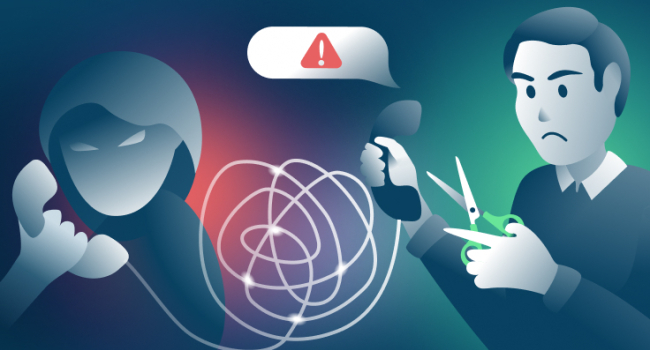
Social engineering built on emotional triggers works very simply: a person makes a decision not with their head but with the feeling that has been sparked in them. The fraudster plays on emotions that interfere with analysis: fear, anxiety, urgency. The entire conversation is structured so that this emotion becomes stronger than logic.
Fear as a hook
Most often it is about panic and fear. For example, a person receives a call where a calm, almost official voice tells them, “We are detecting a suspicious operation on your account.” At that moment the victim has no chance to remember that banks do not call like this. Their heart drops, a sense of threat appears, and their mind no longer holds safety rules, only the question: “What is happening with my money right now”
At this very second the fraudster increases the pressure: “You must urgently confirm your identity or your account will be blocked.” The person does not analyze they try to save their money and dictate their personal information to the criminal.
Modern technologies only increase the effect of such attacks. There have already been cases in Armenia where people received calls from “relatives” whose voices were generated by artificial intelligence. To the person on the other end of the line, it sounds completely familiar with the same intonation, speaking style, and address by name. When such a “relative” asks to transfer money or give an access code, rationality disappears again the person responds to the voice, not the situation.
Greed is a vice, the result is an empty wallet
Social engineering built on greed and the promise of easy profit has become one of the most widespread forms of fraud in Armenia. Here, criminals do not intimidate as in classic “bank calls”. They act more subtly and create the feeling that a person is being offered a chance they must not miss. The attack targets not fear, but the desire to get a little more than usual.
It all begins with a simple message: “A closed discount just for you”, “Special exchange rate for a limited time”, “Insider access to a crypto platform with a higher interest rate”. A person reads it and immediately feels something familiar inside: if I do not act now, I will miss the opportunity. This thought makes them act faster than they can think.
A popular example is the currency exchange scheme. A user receives a message from a well known exchanger: “Today until 15:00 a special rate only for regular customers.” The link looks real, the logos are the same. The person clicks, sees an attractive rate, and without thinking enters their card information. The site disappears two hours later, and it is already impossible to understand where it was hosted. The same applies to discounted loans, solar panel purchases, gym memberships and more.
Another typical scenario is cryptocurrency “games”. The potential victim is invited into a closed Telegram channel where an “experienced trader” supposedly demonstrates small but steady profits. Fraudsters show “reports”, run live streams, and create an atmosphere of a group where everyone is “in the know”. The victim first tries with a small amount and indeed sees “profit”, because that is part of the scheme. Then they invest a large amount, after which the curator disappears and the channel is deleted.
A pause as salvation: Take a breath, hang up
It is actually harder to protect yourself from such social engineering than it seems. Simply knowing the rules is useless because fraudsters are not working against logic but against emotions. Protection begins not with technical knowledge but with the habit of stopping yourself at the very moment when something inside clicks: “This is it, I have to hurry.”
The most reliable mechanism is a pause. Just a few seconds. If a person manages to take a breath and ask one simple question: “Why is it urgent with me”, the fraudster’s scenario breaks apart. Real offers do not disappear within a minute. Exchange rates do not change on a timer. Investments do not require immediate action. A pause is what brings back control.
The second line of defense is verifying reality outside the channel through which the message arrived. If it is a “bank”, you must call the bank yourself. If it is a “relative”, call them on their usual number. If it is a “discount”, open the official website rather than the provided link. Fraudsters always try to keep the victim within one dialogue, one link, one window. Once you step outside of it, the illusion collapses.