Why public USB charging stations are dangerous and how hackers can steal passwords through them
 11:25 29 July, 2025
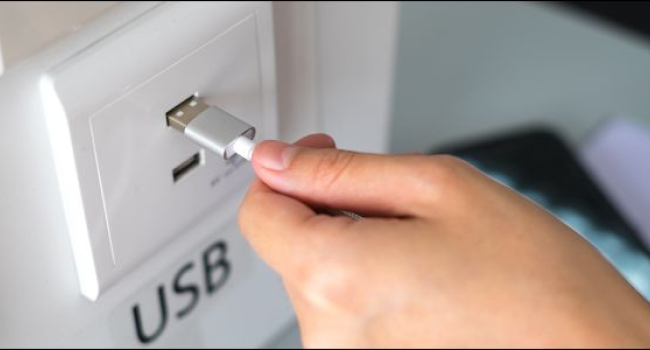
Public USB ports used to charge devices in airports, hotels, and other public places can pose a serious security threat. According to USA Today, hackers use these ports to install malware on smartphones, allowing them to steal personal data, including passwords. This hacking method is known as juice jacking.
Warnings from U.S. Authorities
U.S. federal agencies, including the Transportation Security Administration (TSA), urge travelers to avoid plugging devices into public USB ports. In an official TSA statement, it says:
“Hackers can use USB ports to install malware. While at the airport, do not plug your phone in directly. Use your own wall charger or a portable power bank.”
The Federal Communications Commission (FCC) also recommends charging devices via standard AC power outlets using your own charger and cable. If using a USB port is unavoidable, experts advise paying close attention to notifications on your phone screen. If prompts such as “Trust this computer?” or “Data transfer?” appear, always select “Charge only.”
The Danger of Public Wi-Fi Networks
In addition to USB ports, experts also warn against using free public Wi-Fi networks. The TSA emphasizes:
“Do not connect to free public Wi-Fi, especially if you plan to make online purchases. Never enter confidential information while using unsecured networks.”
How to Protect Your Data
To secure your devices, follow these recommendations:
- Use your own chargers and cables when connecting to AC power outlets.
- Carry a portable power bank for charging in public places.
- Select the “Charge only” option when connecting to USB ports.
- Avoid connecting to public Wi-Fi networks, especially when handling sensitive information.
By following these precautions, you can protect your data from hackers and keep your devices secure while traveling.