5 signs of a phishing website: How to stay safe from scammers in 2025
 12:42 12 June, 2025
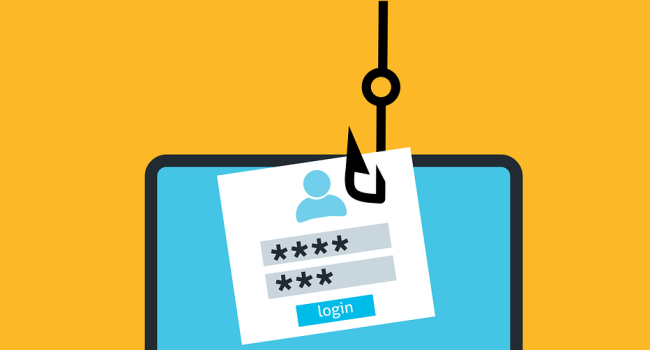
Phishing remains one of the top online threats in 2025. Scammers create fake websites to steal credit card data, passwords, or other sensitive information. How can you recognize a phishing site and avoid becoming a victim? Here are five key signs to help you stay safe.
What Is a Phishing Website?
A phishing site is a fake version of a legitimate website designed to steal your personal data. These sites often mimic the appearance of banks, social networks, or online stores, and they usually have a similar but slightly altered address. You can end up on such sites through:
- Search engine results.
- Suspicious emails.
- Messages in messengers or social media.
The goal is to trick you into entering your login, password, bank card details, or other sensitive data. Knowing the warning signs makes it much easier to spot phishing.
- Suspicious Website Address
Phishing URLs often resemble legitimate ones but contain subtle differences. Look out for:
- Letter or symbol substitutions: For example, sberbank.ru might be spoofed as sber-bank.ru, sbebank.ru, or sberbankk.ru.
- Unusual domain extensions: Scammers might use .xyz, .top, or .site instead of common .ru, .com, or .org.
- Entirely different structure: Such as sber.moshennik.ru or bank-sber.online.
Tip: Always double-check the URL before entering any data. If unsure, manually type the official address or use bookmarks.
- Missing or Fake SSL Certificate
An SSL certificate encrypts your connection to a website. Make sure:
- The URL starts with https:// (not just http://).
- A padlock icon appears to the left of the address bar.
Important: SSL alone doesn’t guarantee security—scammers can obtain certificates too. But if your browser shows a warning like “connection not secure,” that’s a red flag.
Tip: Leave the site immediately if your browser warns you about its security.
- Poor Design and Errors
Phishing sites often poorly replicate the original design. Watch for:
- Low-resolution logos or distorted images.
- Incorrect fonts or mismatched color schemes.
- Grammar or spelling mistakes (e.g., “log into your acountt” or “safee payment method”).
- Misaligned buttons, outdated interface elements.
Tip: If the site looks cheap or error-filled, compare it to the official version. Antivirus tools (like Kaspersky Free or Bitdefender) can also block suspicious websites.
- Aggressive Pop-Ups
Phishing sites frequently use pop-ups to pressure you into acting fast:
- Demanding instant entry of login or card info.
- Requesting payment confirmation details.
- Offering fake “prizes” or “discounts” if you act now.
These tricks are designed to cause panic and prevent logical thinking.
Tip: Never enter data in a pop-up window. Close it or leave the site. Legitimate sites don’t demand urgent information this way.
- Missing or Fake Legal Information
Legitimate companies include legal details on their websites:
- Company info (registration number, tax ID, legal address).
- Contact info (phone, email, office address).
- Privacy policy and user agreement.
On phishing sites, this section may be:
- Completely missing.
- Filled with fake or incorrect details.
- Contain broken or empty links.
Tip: Check the “About,” “Contact,” or “Legal Info” sections. If something looks off, search for official company info (e.g., via a government registry or review platforms).
How to Protect Yourself from Phishing
- Avoid clicking suspicious links from emails, SMS, or messengers. Verify senders and URLs.
- Use two-factor authentication (2FA) for key accounts like email, banking, and social media.
- Install antivirus software with anti-phishing protection (e.g., ESET, Malwarebytes).
- Keep your browser and OS updated—modern browsers have built-in anti-phishing filters.
- Don’t enter sensitive data on unfamiliar websites.
- Check reviews using services like Scamadviser or Trustpilot.
Real-World Example
In 2025, phishing scams targeting Russian banking sites surged. Scammers created sites like gos-uslugi.ru mimicking the official gosuslugi.ru and lured users with fake traffic fine notifications. Victims entered card details to “pay fines” and lost money. Carefully checking the URL and absence of legal info could’ve prevented the scam.
What to Do If You’ve Been Scammed
- Immediately change passwords on all affected accounts from a different device.
- Block your card via your bank’s mobile app or hotline.
- Notify your bank and file a report with the police.
- Scan your computer for malware using antivirus tools (e.g., Dr.Web).
- Enable 2FA to protect your accounts in the future.