Will robots save the Earth? Robotics as the path to a resilient future
 15:13 11 October, 2024
How is robotics developing today, how are artificial intelligence (AI) robots being used to make the Earth more resilient and to overcome the most important global challenges? Sebastien de Halleux, professor of electrical and computer engereering expert was dedicated to these topics.
Planet Earth in danger
Professor de Halleux mentioned that the planet Earth is not in such a good condition today as a result of human activity. "We are depleting resources we once thought were unlimited," he said, referring to the rapid deforestation, depletion of soil nutrients and overfishing that have dramatically affected the world's ecosystems. He emphasized that global fish stocks reached their minimum in 1996, that is, from that moment on, fish stocks stopped increasing.
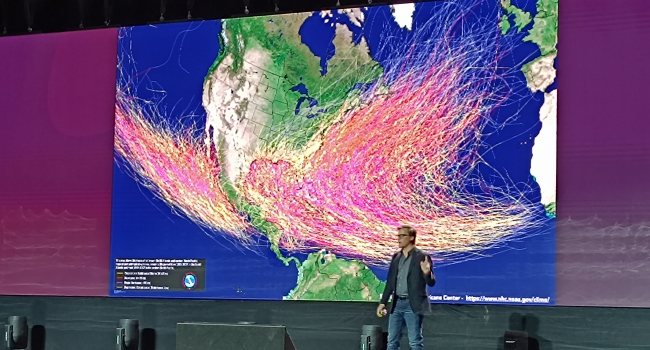
In addition, extreme weather events such as floods, fires and hurricanes are occurring more frequently and with greater intensity. "The destructive power of hurricanes and tornadoes is increasing because they are fueled by the increasing heat of the oceans," he noted, citing the need to restore infrastructure.
The role of robotics in the global energy transition
Despite the daunting challenges, de Halleux noted that a massive energy transition is taking place across the planet driven by renewable energy sources. He said that solar and wind energy are now cheaper than fossil fuels for the first time in history. “Thanks to advances in energy storage, such as solid-state lithium-metal batteries, we're seeing significant improvements in energy capacity. This is central to the role of robots in this new era,” he explained.
The professor sees robots as an integral part of this transformation, especially in the field of renewable energy, where they can help build and maintain infrastructure in remote areas. “Who will help build and maintain this massive global infrastructure? Robots," he confidently stated.
Quantifying our planet
One of the central topics of de Halleux's speech was about the quantitative assessment of the Earth's indicators. "We cannot fix what we cannot measure," he said. This concept is the basis for deploying robotic systems to monitor and measure Earth's most important processes. By measuring variables such as solar radiation, ocean heat absorption and atmospheric changes, robots play a crucial role in understanding the complexities of climate change and global environmental shifts.
Robots in the sea: Saildrone Explorer
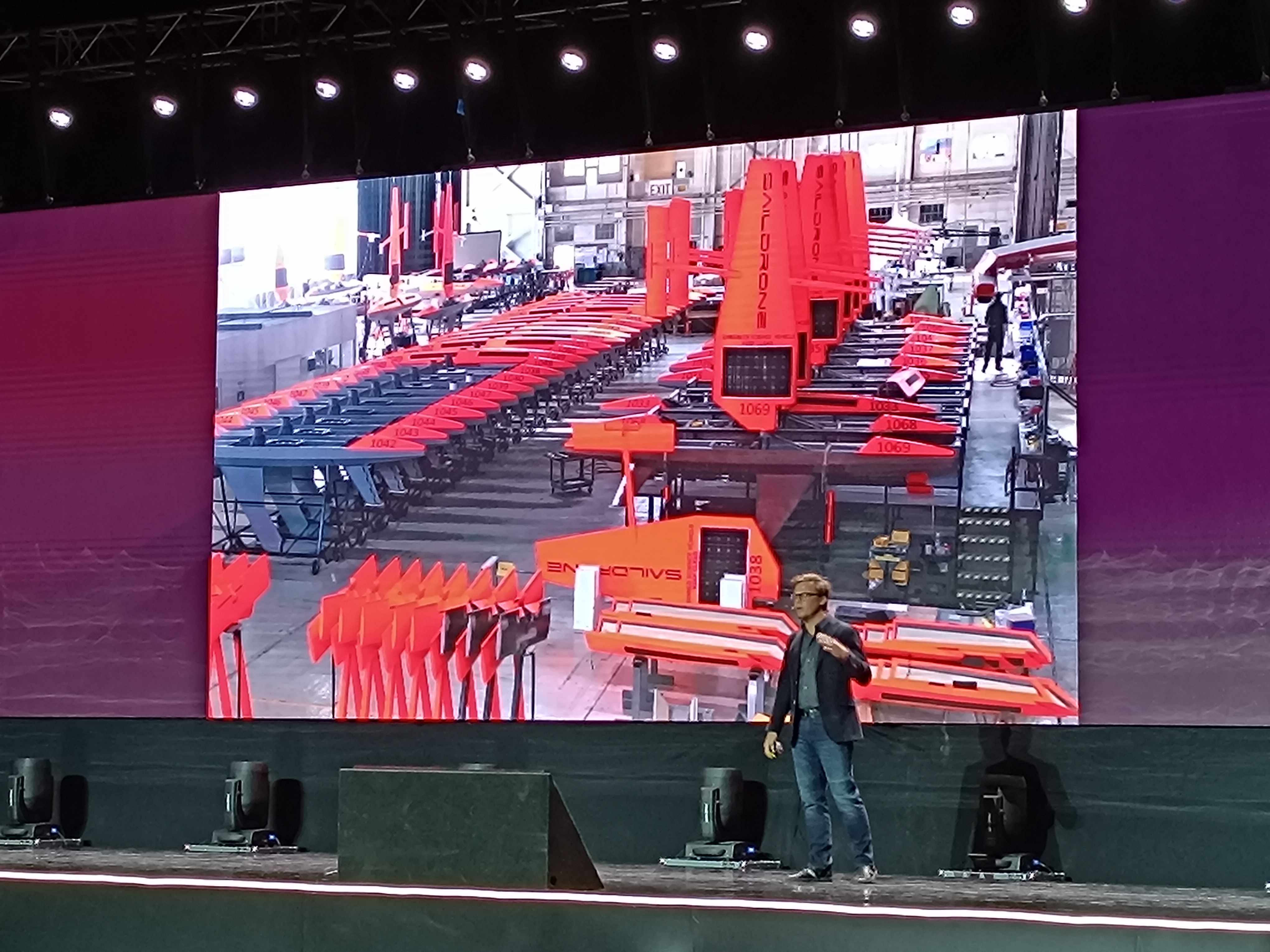
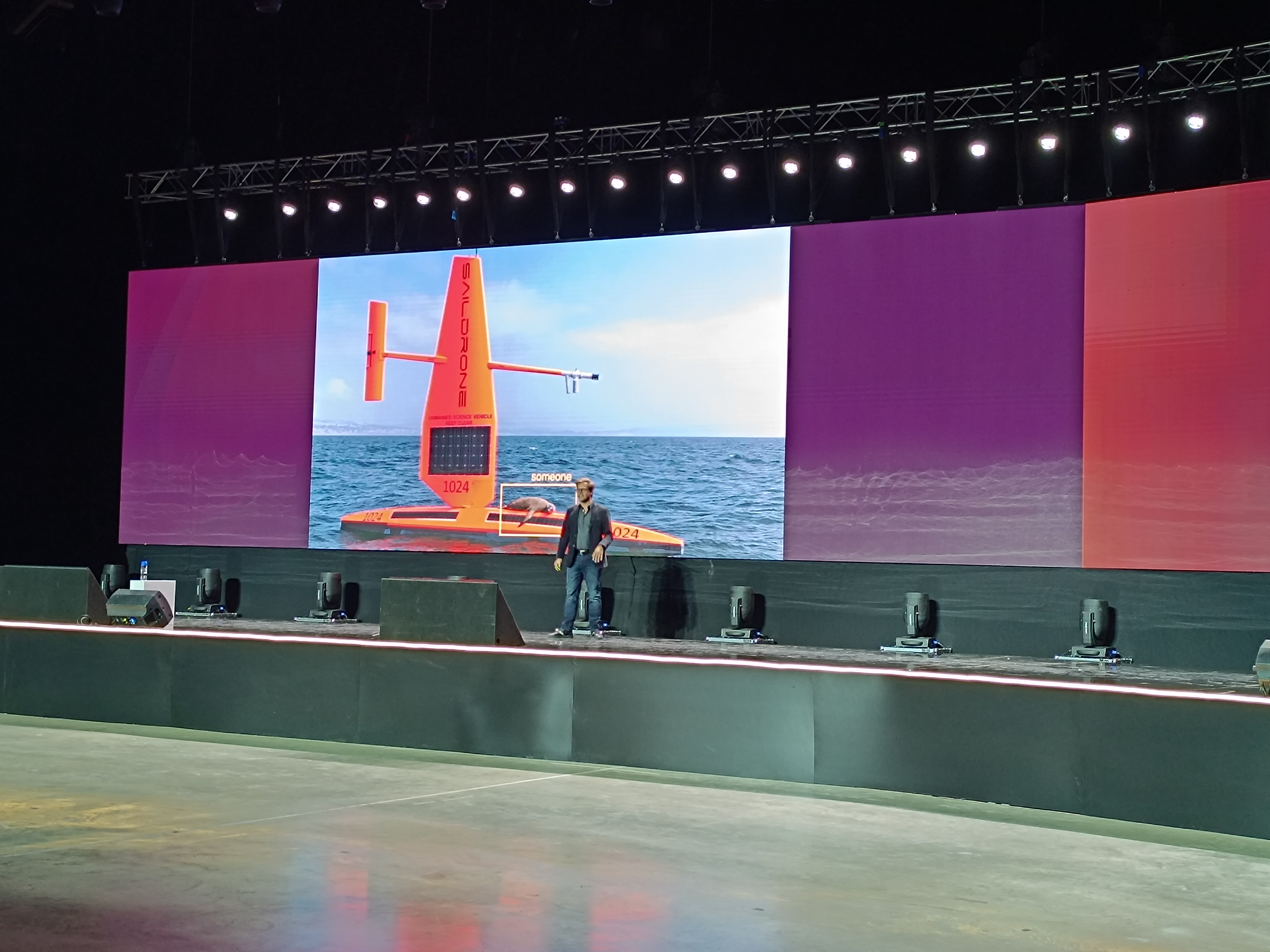
In his talk, the professor introduced the Saildrone Explorer, a seven-meter-long, wind-powered marine robot capable of long-range autonomous missions in the world's harshest ocean environments. With a combination of wind propulsion and solar-powered sensors, these robots can measure atmospheric variables such as wind speed and temperature, as well as underwater conditions, including salinity and dissolved CO2.
"Saildrone Explorer uses only 3 watts of power, yet it can travel across oceans without fuel, crew or maintenance," de Halleux noted, adding that the technological marvel is the result of a decade of research and development in the field of wind-powered devices. : Ironically, this innovation came from attempts to break land speed records in desert racing as well, proving that sometimes progress can come from unexpected sources.
Monitoring of high seas by AI
According to the professor, what makes marine robots really valuable is that they can collect and process huge amounts of data in real time. "We've created the ImageNet of the oceans," he said, referring to the cameras mounted on these devices and the vast database of tagged photos they generate. This data made it possible to train an AI system that fully recognizes the marine domain.
These AI-powered robots now monitor ocean traffic, detect illegal fishing activities, and even track the movements of ships with their lights off, which are often involved in illegal activities. "That's the job of the robots, especially when the criminals are trying to hide in the dark," de Halleux said, pointing to the role of these technologies in maintaining law and order in the oceans.
Conquering the storms and unknown depths
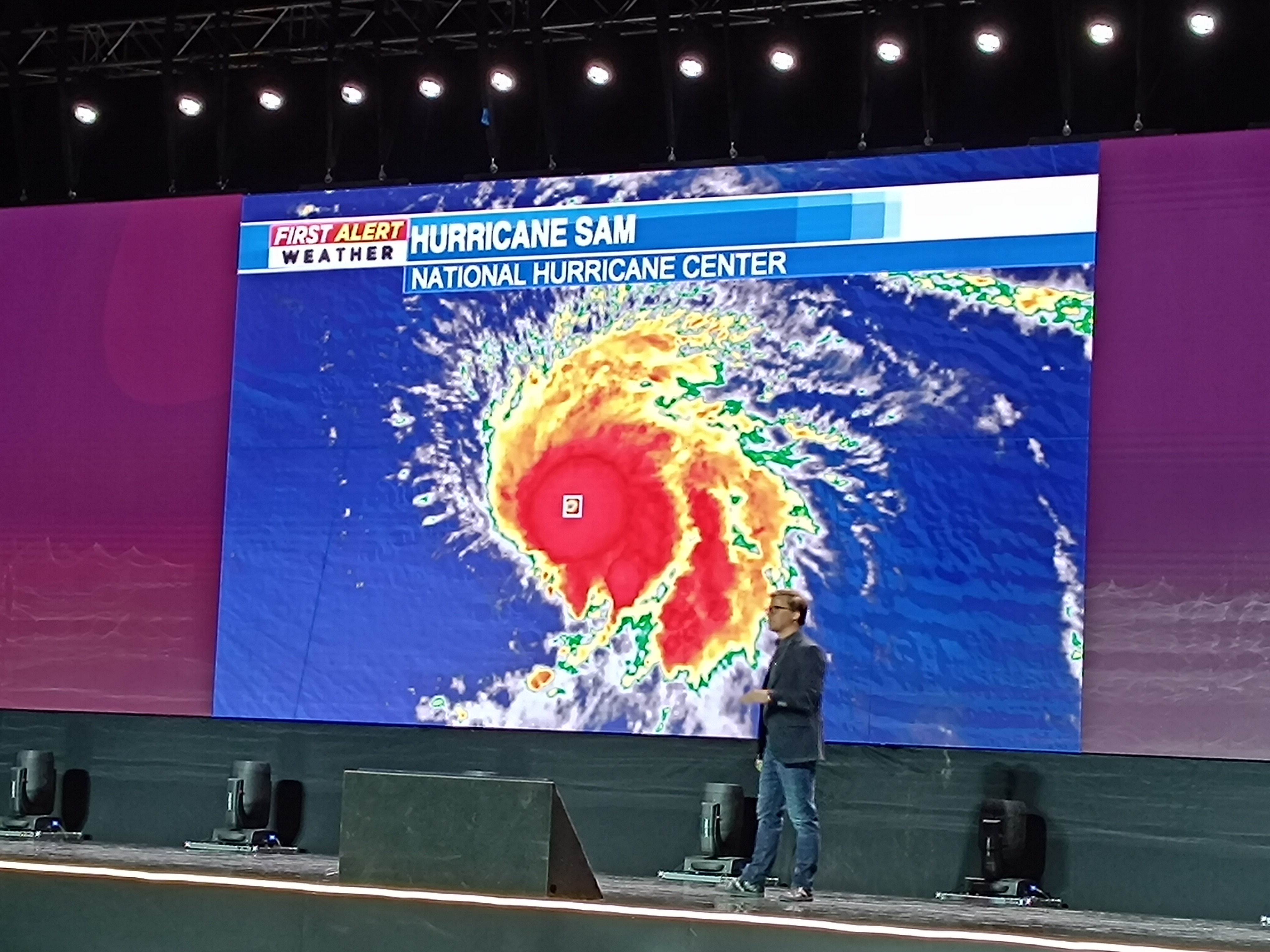
De Halleux also spoke about Saildrone's hurricane tracking function. In 2021, Saildrone successfully navigated through Hurricane Sam, capturing what the Category 4 hurricane looks like from the inside, footage that humanity has never seen before. "No man has ever witnessed such a sight, and if he did, he did not survive to tell about it," he said.
Footage from these robotic missions, he says, is invaluable in improving humanity's understanding of extreme weather patterns. In addition to the ocean surface, this huge robot is also able to map the ocean floor at depths of up to 8,000 meters and has played a major role in discovering new underwater ridges and shipwrecks, expanding people's knowledge of these parts of the Earth.
Mapping the entire ocean
In partnership with the Seabed 2030 project, Saildrone is contributing to the ambitious goal of mapping the entire ocean floor by 2030. De Hallo noted that this is a massive challenge, as 80% of the ocean is still largely unexplored. However, with the help of thousands of robots, he believes this goal is achievable. "We are designing a fleet of robots to achieve planetary coverage," de Halleux o noted.
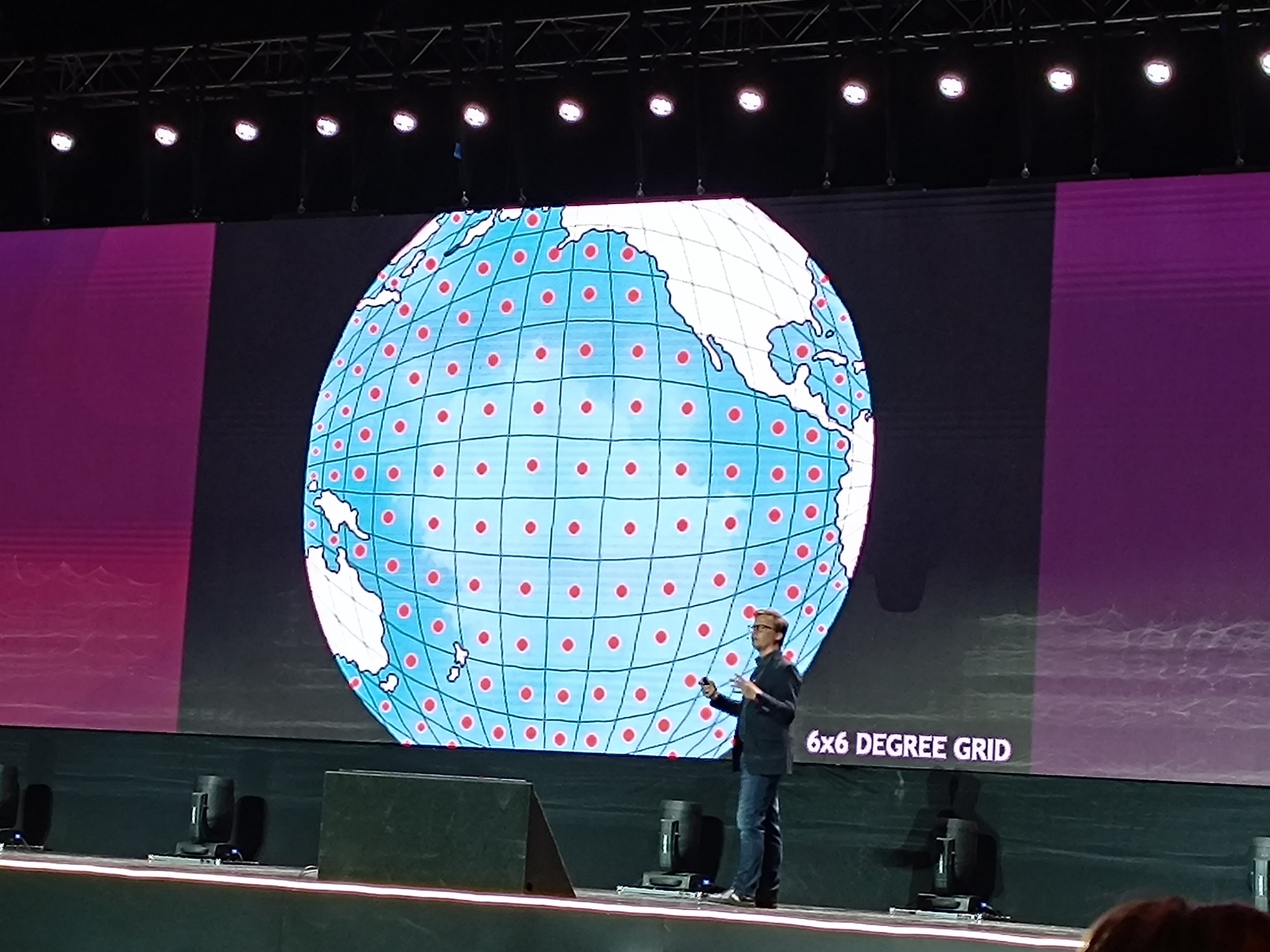
Each of these robots is a key player in the global data-gathering effort, and according to de Hallo, "a better input leads to a better result." Insights from these robotic missions are vital to understanding climate change phenomena such as El Niño, ocean currents and atmospheric conditions that affect global weather systems.
A resilient planet with the help of robots
Concluding his speech, de Hallo stated that he envisions a future in which AI-powered robots will become important tools in humanity's efforts to create a more resilient world. "We live on a wonderful planet, and robots will help us understand it, protect it, and ultimately save it," he declared.
According to the professor, combining robotics and AI is not only a technological achievement, but also an environmental necessity. With the help of these never-tiring robotic guardians, he said, humanity has a better chance of meeting the planet's rapidly changing challenges.