


Which type of headphones is safest for hearing? ENT specialist explains
At a time when headphones have become an essential part of everyday life for millions of people, protecting hearing is becoming increasingly important. Constantly listening to music, podcasts, and calls through earbuds can gradually lead to irreversible changes in hearing. Otorhinolaryngologist Igor Kastyro explained in an interview with Gazeta.Ru which types of headphones are considered the least harmful for the ears.
Over-ear closed headphones: the safest option
According to the specialist, the safest choice is large over-ear (full-size) closed-back headphones with good passive noise isolation.
Igor Kastyro explained that such headphones are generally considered relatively safe today because they create a natural barrier against external noise. They fit around the ears rather than inside them, which allows users to listen at lower volume levels.
In these models, sound is not directed straight into the ear canal. Instead, it spreads across the entire outer ear, which reduces pressure on the eardrum and the structures of the inner ear.
Bone-conduction headphones: second place for safety
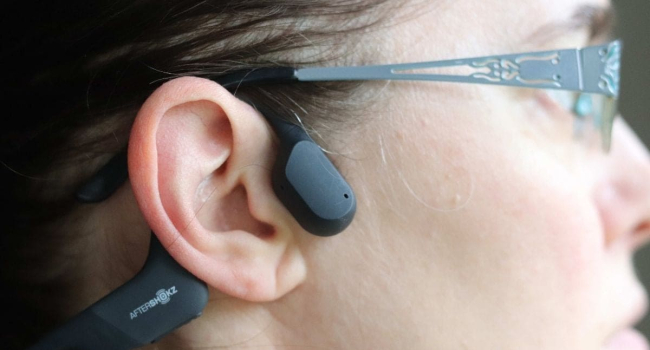
The doctor placed bone-conduction headphones in second place in terms of hearing safety.
Kastyro noted that these devices are considered relatively safe because sound bypasses the outer and middle ear’s sound-conducting system. As a result, the eardrum, middle-ear muscles, the oval window, and its supporting structures are exposed to less stress from loud sound.
In bone-conduction devices, sound is transmitted through vibrations in the bones of the skull directly to the inner ear. The ear canal remains open, allowing the user to hear surrounding sounds. This makes such headphones especially useful for runners, cyclists, and anyone who needs to remain aware of their environment.
Why in-ear headphones carry the greatest risk
The specialist considers in-ear headphones (earbuds) to be the most risky for hearing health. In these devices, the sound source sits directly inside the ear canal, meaning that even moderate volume levels can create significant pressure on the eardrum.
Long-term use of in-ear headphones can contribute to:
- injuries to the eardrum and middle-ear muscles
- buildup of earwax and earwax plugs
- inflammation and infections of the outer ear
Kastyro warned that regularly listening to audio at volumes above 85 decibels can damage not only the sound-conducting system but also destroy the outer hair cells of the organ of Corti in the inner ear. According to him, such damage is largely irreversible.
If a person experiences ringing, buzzing, or a feeling of fullness in the ears after listening to audio, it may signal a problem. The doctor advised seeking help from an audiologist as soon as possible, noting that early intervention can often stop or significantly slow the progression of hearing damage.
Simple rules to protect your hearing
Regardless of the type of headphones used, experts recommend following the “60/60 rule”: listen at no more than 60% of maximum volume and for no longer than 60 minutes at a time.
Other helpful habits include:
- taking regular breaks to give the ears time to rest
- using volume-limiting settings on smartphones
- reducing volume or removing headphones if discomfort appears
Paying attention to these signals from the body can help prevent long-term hearing damage.
In brief
The safest options for hearing are full-size closed-back over-ear headphones with good passive noise isolation and bone-conduction headphones. In-ear headphones pose the greatest risk because they direct sound straight into the ear canal and can cause injuries, infections, and potentially irreversible hearing loss when used at volumes above 85 dB. Following the 60/60 rule, limiting volume, and taking regular breaks can help protect hearing regardless of headphone type. If ringing or ear pressure appears, a visit to an audiologist is recommended.
- Related News
- Smart gadgets 2026: Five devices that truly make life easier
- What gadgets is Apple preparing for 2027?
- Xiaomi unveils its first AI-powered clip-on “earring” earbuds
- A mouse with earbuds inside: Budget hybrid HONOR Choice MouseBuds Pro replaces two gadgets at once
- Stylish and affordable: Nothing unveils Phone (4a), Phone (4a) Pro, and Headphone (a)
- Huawei reveals the future of smart technology at MWC 2026
- Tech Jobs
- Most read
month
week
day
- The anniversary iPhone 20 will be as thin as the Air: what the insider revealed 589
- From Excel to AI: A startup by specialists who relocated from Iran to Armenia helps businesses make sense of their data 578
- How NASA's primary training centre is changing in the era of commercial space stations 572
- Robot knocks out teeth of five year old girl: Incident at Chinese museum leads to lengthy compensation dispute 526
- Why Bill Gates is no longer an AI optimist: Three major threats of AI 517
- How to make your new smartphone more secure: expert tips 471
- Top flagships of August 2026: Experts name the five best smartphones 464
- 10,000 tiny probes to Saturn's rings and robots in lunar caves: NASA funds 18 visionary ideas 456
- "Dark photons" back in play: scientists revise constraints on dark matter 447
- Martian crater from The Martian captured in new detailed video 437
- Archive