


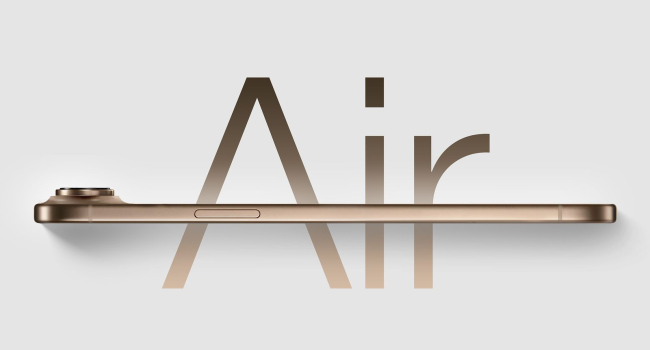
How and why the EU blocked Apple’s revolutionary portless iPhone
In 2025, Apple could have stunned the world with the iPhone 17 Air—a smartphone envisioned without a single physical port. Yet, this bold ambition crashed into a wall of strict European Union regulations, as reported by Bloomberg citing insider sources. Here’s how the EU’s rules reshaped Apple’s plans and what it means for the future of innovation.
The Vision for iPhone 17 Air
Apple dreamed of the iPhone 17 Air as its first port-free device, ditching even the recently adopted USB-C port. The plan? Lean entirely on wireless tech—charging via MagSafe or similar solutions and data transfer through Wi-Fi or Bluetooth. This would have made the phone sleeker, more minimalist, and tougher against dust and water. It was a radical leap toward the future—until it wasn’t.
The EU’s Regulatory Roadblock
The EU threw a wrench in Apple’s vision with a 2022 law mandating that all electronic devices sold in the bloc must feature a universal USB-C port by the end of 2024. Aimed at cutting e-waste and simplifying consumer life, this directive forced Apple into a corner. The company had already swapped its proprietary Lightning port for USB-C with the iPhone 15 to comply, but a portless iPhone 17 Air would flout the new rule entirely. Facing potential fines or a sales ban in a vital market, Apple shelved the concept.
Missed Opportunities
Scrapping the iPhone 17 Air isn’t just the loss of a cool idea—it’s a missed chance to push wireless tech forward and cement Apple’s innovator status. A fully wireless device could have redefined convenience and design, but regulatory pressure clipped its wings. Instead, Apple will likely tweak its existing lineup, keeping USB-C as a non-negotiable fixture.
Portless Pioneers Before Apple
The idea isn’t unprecedented. In 2019, Chinese firm Meizu unveiled the Meizu Zero—a portless concept with no holes for microphones or speakers either. It relied on wireless charging and bone conduction for sound. Though it never hit mass production, Meizu Zero proved such devices are feasible. Apple, however, faces a tougher reality in the EU, where experimental designs clash with rigid standards.
The EU’s Track Record with Apple
This isn’t the EU’s first tango with Apple. The 2023 Lightning-to-USB-C switch was another forced move that split fan opinions—some praised the standardization, others mourned the loss of Lightning’s ecosystem. Older Lightning-based iPhones were also phased out early to meet compliance. These shifts highlight how deeply regulators can steer even tech titans like Apple.
What’s Next?
The iPhone 17 Air’s demise doesn’t spell the end of Apple’s wireless ambitions. The company might pivot, refining wireless tech while keeping a token USB-C port to appease the EU—think faster MagSafe or seamless data syncing. For now, though, users are stuck with familiar designs, and the portless dream stays on hold.
- Related News
- Blue light from screens: Is it really dangerous for eyes, and what should you know?
- Top flagships of August 2026: Experts name the five best smartphones
- A simple way to spend less time on your phone: Choosing your own goals?
- Foldable iPhone appeals to almost no one: Three-quarters of Americans don't want one
- The anniversary iPhone 20 will be as thin as the Air: what the insider revealed
- Apple prepares to raise iPhone prices following Samsung and Google
- Tech Jobs
- Most read
month
week
day
- Two comets will be visible in Autumn 2026 1258
- DeepSeek or ChatGPT: Which is better in 2026? 1037
- NASA successfully launches Nancy Grace Roman space telescope – "Hubble's successor" 666
- Anthropic teaches AI to control real-world machines 650
- New Apple CEO to refresh top management team: What we know 634
- Scientists have learned to transmit data by laser through atmospheric disturbances 622
- Cosmonaut Harutyun Kiviryan passes pre-flight exam on ISS simulator 622
- Beijing opens "Kindergarten" for robots: Machines learn from their own mistakes 602
- What will happen to the human body on Mars? 587
- Dark matter detector captures the weakest neutrinos ever detected 549
- Archive