



We’ve helped over 1,200 companies move to the cloud in just the last two years: Interview with SADA CTO
Artificial intelligence (AI) is revolutionizing various industries today, from retail to healthcare, with many companies eager to integrate AI-based solutions into their operations. One of the key pillars supporting the effective adoption of AI is cloud technology. According to Miles Ward, Chief Technology Officer at SADA, an Insight company, without the capabilities of the cloud, the development and deployment of AI systems would be far less efficient and much slower.
Miles Ward arrived in Armenia to participate in WCIT 2024/DigiTec, which took place in Yerevan from October 4 to 7. During WCIT, he took part in the panel discussion titled “AI-Infused Business: The Key to Digital Age Innovation,” where participants discussed how AI is transforming everything—from customer interactions to operational efficiency—by providing businesses with the tools to thrive in the digital age.

How AI Drives the Development of Cloud Technologies
Cloud technologies are indeed essential for the growth of artificial intelligence (AI). However, there’s also a reverse relationship: AI is, in turn, transforming cloud computing.
Cost Optimization։ First and foremost, as Miles Ward pointed out, AI helps optimize the cost of cloud solutions. Cloud platforms allow companies to pay for computing resources by the second, offering a level of flexibility unmatched by traditional hardware solutions.
“Imagine a company where the team works Monday through Friday, but with breaks for lunch or holidays. Traditional computers would sit idle when not in use, but AI can automatically provide this company with the cloud computing power it needs during work hours and switch off these services when they’re not being used. Since cloud services charge by the second, this approach helps save money,” Ward explained.
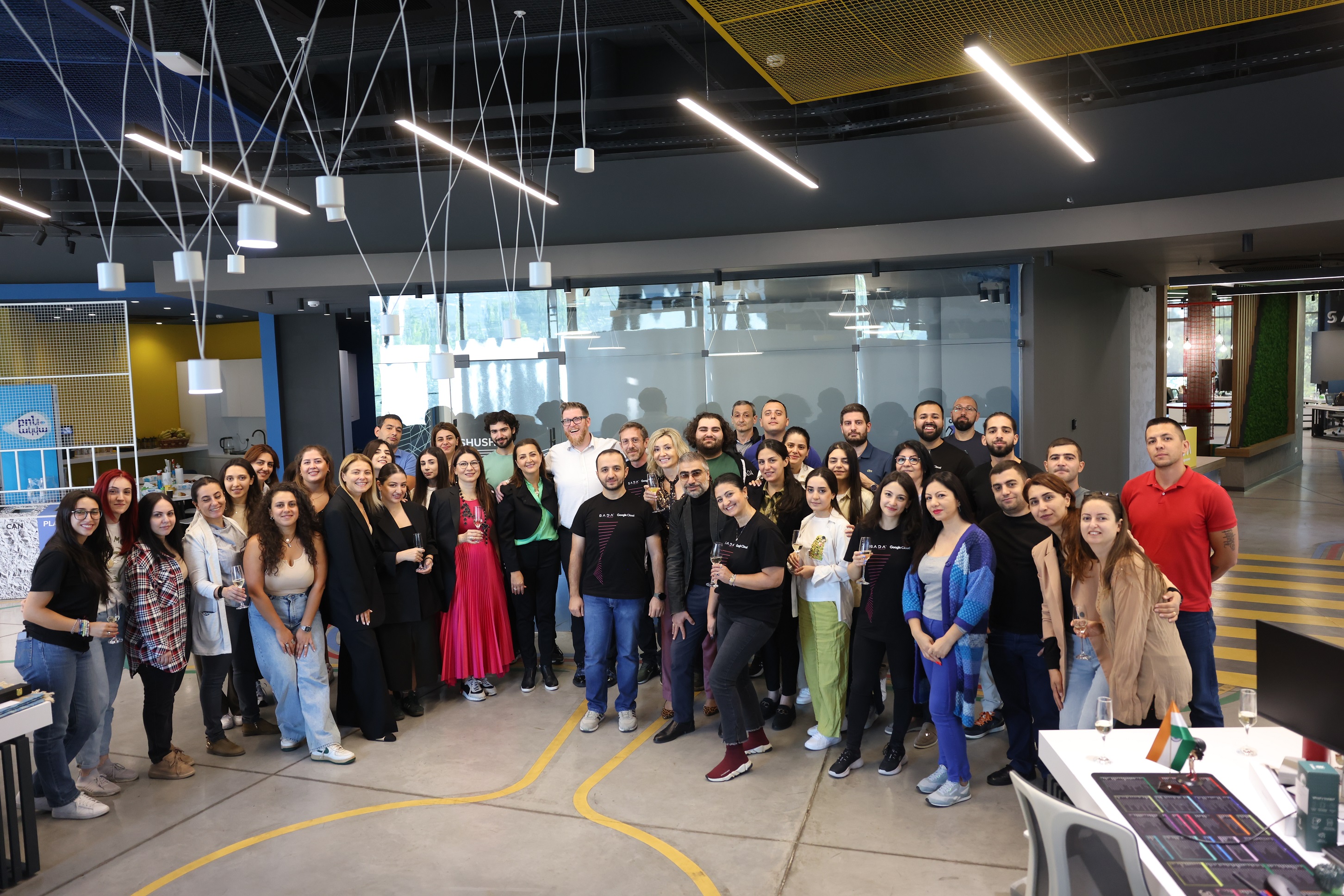
A Collaboration Partner։ One of the most exciting aspects of AI’s role in cloud infrastructure, according to Miles Ward, is its ability to act as a reliable collaboration partner. Unlike human employees, AI doesn’t get tired, doesn’t take breaks, and doesn’t make mistakes due to fatigue. For instance, Google Cloud’s Gemini system can provide real-time suggestions for improving system designs and optimizing costs, sometimes even proposing solutions that human developers wouldn’t have considered. This collaboration between AI and humans accelerates the development and adoption of innovations, allowing companies to implement cutting-edge solutions more effectively.
“My team and I experienced this firsthand just last week. We had already written the code to deploy an AI application, and it worked well. But when we ran it through the Gemini system, it made a suggestion none of us had expected, and it significantly reduced our costs. It was an unconventional design but highly effective. Having an untiring, always-available collaboration partner that never needs a break is incredibly powerful for discovering new, innovative solutions,” Ward said.
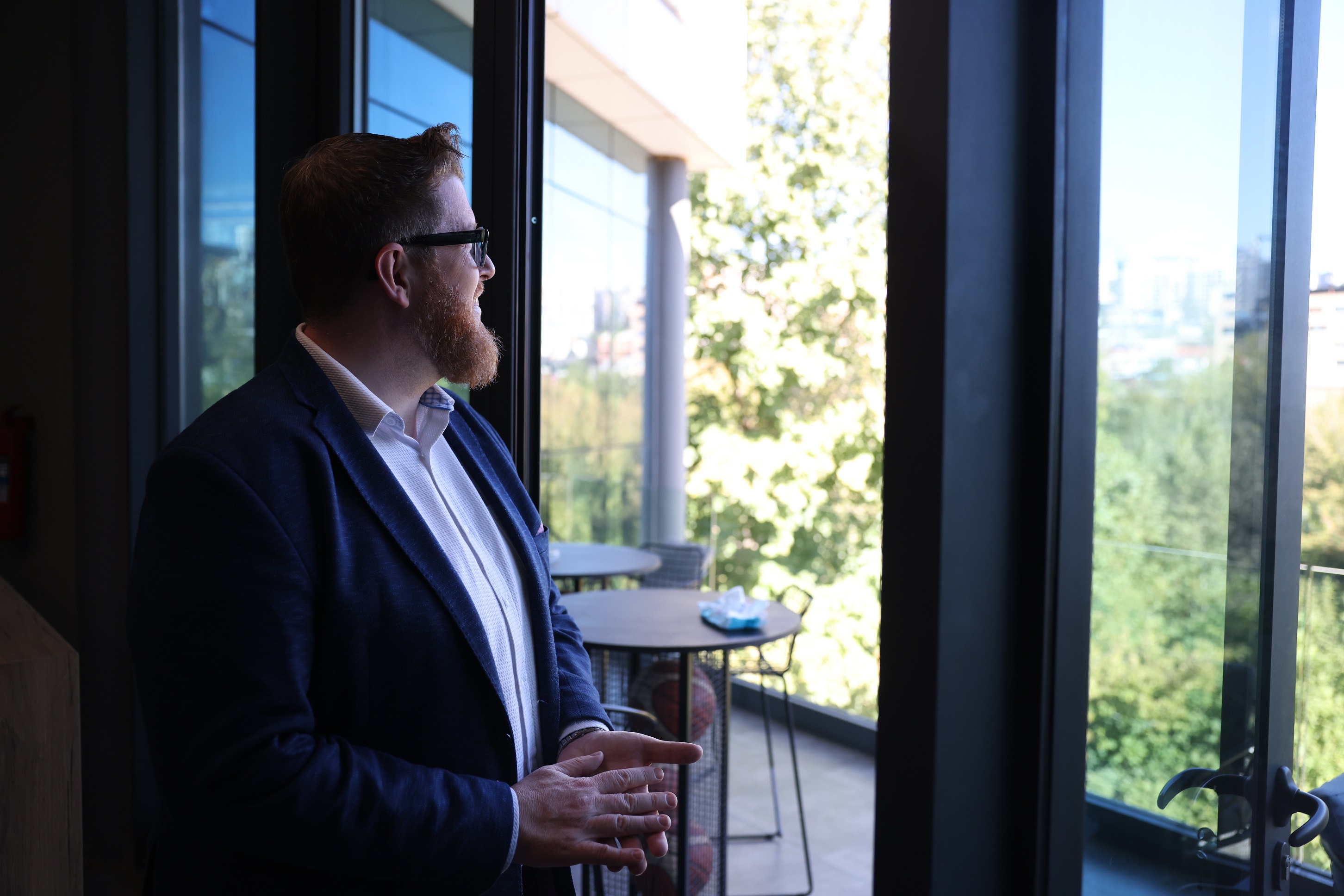
Sales։ Another area where AI is making an impact is sales and consulting. The SADA team has developed a tool called Sales Discovery to assist sales departments—both within the company and in other projects that sell products or services. This tool, as Miles Ward explained, uses AI to provide sales specialists with best answers to customer questions, and next best questions to ask them, in order to better understand their customers' issues or needs. This system speeds up the sales process and ensures that customers receive accurate and timely information, without sales specialists having to manually search for it.
AI also aids professional services departments by automating the creation of complex documents, such as work descriptions and responses to requests for proposals (RFPs). These capabilities save time and increase team efficiency, allowing them to focus on strategic tasks rather than administrative work.

Google Distributed Cloud and Vertex AI: The Most Promising Cloud Technologies?
One of the most promising new technologies in cloud computing, according to Miles Ward, is Google Distributed Cloud. Distributed cloud allows companies to set up their own private cloud infrastructure while retaining the speed and flexibility of public cloud services.
“Using Google’s cloud infrastructure is like renting a nice car without the option to buy it. Google Distributed Cloud changes that by giving you the ability to ‘buy the car.’ Now, customers can have their own cloud anywhere they want, even in Armenia. All it takes is four computer racks, and Google provides all the software. Once installed, the user has an isolated cloud system that never connects to Google’s network after setup, but it works just like a large public cloud,” Ward explained.

Another highly promising cloud technology, according to Ward, is Vertex AI, Google’s platform for building AI applications. While Google Cloud is a platform for general application development, Vertex AI is like a cloud within Google Cloud, specifically designed for AI development. It contains all the tools needed for AI-related tasks, including retrieval-augmented generation (RAG), which combines AI with real-time data extraction from databases for more accurate responses.
Interestingly, Miles Ward played a key role in the creation of precursors to both Google Distributed Cloud and Vertex AI during his time at Google.
On Misconceptions: What Companies Still Don’t Know About Cloud Migration?

While cloud technologies have gained widespread adoption in recent years, misconceptions about them remain common, even among IT companies.
One of the most widespread misconceptions, according to Miles Ward, is the belief that migrating to the cloud is as complex today as it was three to five years ago. SADA, having helped companies migrate and optimize their cloud solutions for years, knows this is far from the truth.
“It used to be really difficult, especially when dealing with legacy technologies. If you’re working with software that’s 10, 15, or even 20 years old, some effort is still required to move those applications to the cloud. But overall, the process has become much faster, more predictable, and simpler. Now, we can offer fixed-price contracts, meaning I can tell you upfront how long your data migration will take and how much it will cost. This is a big shift compared to what it was three or four years ago,” Ward explained. He emphasized that in the last two years alone, SADA has helped over 1,200 companies move to the cloud.

Part of SADA’s team is based in Armenia, where they’ve undergone cross-training and work on client projects in collaboration with international colleagues.
“I am totally confident in our local team—they work at a truly world-class level—just like we do in California, at the heart of the tech world. We track 962 different technical skills, and each migration requires a unique combination of them to succeed. It’s a complex process—every piece of software, hardware, and cloud system companies use requires specialists who understand not only where you’re going (Google Cloud), but also where you’re coming from. We ensure our teams are cross-trained to operate at a high level, and the team here in Armenia is one of our most advanced. They work with new companies every day, helping them fully leverage the potential of Google Cloud,” Ward said.


- Related News
- 50,000 subscriptions and AI for schools: How Armenia plans to use artificial intelligence in education
- How to work with neural networks properly: 5 rules that actually help
- Why Bill Gates is no longer an AI optimist: Three major threats of AI
- Firebird AI Joins UATE as a Strategic Member
- Neural networks can't read minds: 4 key rules for working effectively with AI
- OpenAI prepares to go public in 2027
- Tech Jobs
- Most read
month
week
day
- From Excel to AI: A startup by specialists who relocated from Iran to Armenia helps businesses make sense of their data 607
- The anniversary iPhone 20 will be as thin as the Air: what the insider revealed 594
- How NASA's primary training centre is changing in the era of commercial space stations 572
- Robot knocks out teeth of five year old girl: Incident at Chinese museum leads to lengthy compensation dispute 532
- Why Bill Gates is no longer an AI optimist: Three major threats of AI 527
- Top flagships of August 2026: Experts name the five best smartphones 500
- How to make your new smartphone more secure: expert tips 471
- 10,000 tiny probes to Saturn's rings and robots in lunar caves: NASA funds 18 visionary ideas 466
- "Dark photons" back in play: scientists revise constraints on dark matter 452
- Apple prepares to raise iPhone prices following Samsung and Google 443
- Archive