


Xiaomi warns flagship smartphone prices could jump by up to 30%: Why they are getting more expensive
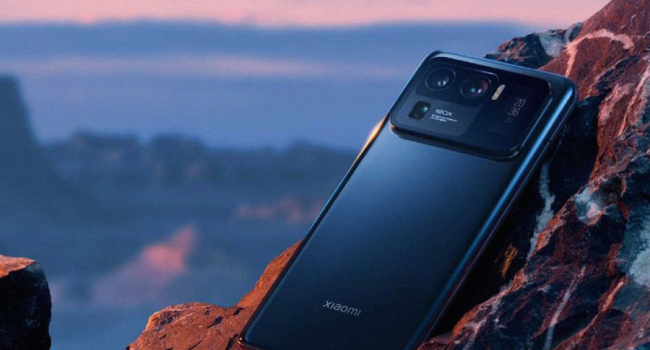
Xiaomi expects a significant increase in the price of its flagship smartphones. By the end of 2026, the company’s top-tier devices could cost more than 10,000 yuan (around $1,500), according to Xiaomi president Lu Weibing.
The main reason behind the expected price hikes is the continuing rise in the cost of key components, particularly DRAM and NAND memory. According to the executive, manufacturers are finding it increasingly difficult to absorb growing production costs without raising retail prices.
Comparing current prices
To understand the scale of the increase, Xiaomi’s current flagship, the Xiaomi 17 Ultra in its 12 GB / 512 GB configuration, launched in late 2025 at around 7,000 yuan (roughly $1,000). That means future flagship prices could rise by as much as 30–40% within a relatively short period.
Inside the company, discussions are reportedly underway regarding pricing strategies for upcoming models, including the Xiaomi 17 Max. No final decisions have been made yet, as market conditions remain highly unstable.
Why memory prices are rising
The biggest pressure on pricing comes from exploding demand for memory chips driven by:
- artificial intelligence
- server infrastructure
- high-performance computing
Building new memory-chip manufacturing facilities takes several years, making it impossible to solve supply shortages quickly. Xiaomi believes elevated DRAM and NAND prices could persist at least through 2027, and in some sectors potentially until 2028.
In brief
Xiaomi has warned that flagship smartphone prices may rise sharply in the coming years. By the end of 2026, top models could cost more than 10,000 yuan (about $1,500), representing an increase of 30% or more compared to current prices. The primary reason is the continuing surge in DRAM and NAND memory costs amid booming demand from AI systems and server infrastructure. The company is still discussing how exactly it will respond to the changing market reality.
- Related News
- Blue light from screens: Is it really dangerous for eyes, and what should you know?
- Top flagships of August 2026: Experts name the five best smartphones
- A simple way to spend less time on your phone: Choosing your own goals?
- Foldable iPhone appeals to almost no one: Three-quarters of Americans don't want one
- The anniversary iPhone 20 will be as thin as the Air: what the insider revealed
- Apple prepares to raise iPhone prices following Samsung and Google
- Tech Jobs
- Most read
month
week
day
- Two comets will be visible in Autumn 2026 1150
- DeepSeek or ChatGPT: Which is better in 2026? 888
- NASA successfully launches Nancy Grace Roman space telescope – "Hubble's successor" 642
- Anthropic teaches AI to control real-world machines 640
- New Apple CEO to refresh top management team: What we know 615
- Scientists have learned to transmit data by laser through atmospheric disturbances 561
- Cosmonaut Harutyun Kiviryan passes pre-flight exam on ISS simulator 542
- Beijing opens "Kindergarten" for robots: Machines learn from their own mistakes 532
- What will happen to the human body on Mars? 525
- Blue light from screens: Is it really dangerous for eyes, and what should you know? 521
- Archive