


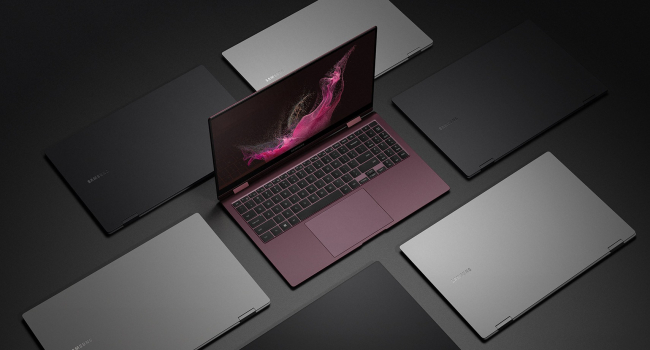
Laptop prices could rise by up to 40% in 2026, analysts warn
Analysts from TrendForce warn that retail prices for mainstream laptops could rise by nearly 40% in 2026. The increase may happen within the next few months as the cost of key components—especially memory and processors—continues to surge.
The situation is being driven by component shortages and the growing demand for AI infrastructure, which is pulling resources away from consumer electronics.
Why memory prices are rising so fast
Since the beginning of 2026, supply of laptop memory components has tightened significantly.
Manufacturers such as:
- Samsung Electronics
- SK hynix
- Micron Technology
have shifted production capacity toward higher-margin products, including:
- High Bandwidth Memory (HBM) used in AI accelerators
- enterprise-grade SSDs for data centers
This shift has reduced supply for the consumer laptop market.
As a result:
- PC DRAM prices increased by about 105–110% quarter-over-quarter in Q1 2026
- **NAND Flash contract prices rose by 55–60%
Previously, memory and storage accounted for roughly 15% of a laptop’s production cost. In early 2026 that share may exceed 30%.
Processors add more pressure
Memory is not the only component becoming more expensive.
Intel has already increased prices for some mobile processors—especially older and budget chips—by more than 15%, with additional adjustments expected in the second quarter.
If the trend continues, the combined share of:
- memory
- SSD storage
- CPU components
in a laptop’s Bill of Materials (BOM) could rise from about 45% to nearly 58%.
What this means for laptop prices
For a typical laptop priced around $900, analysts estimate:
- memory price increases alone could push retail prices more than 30% higher
- including CPU cost increases, the total price rise could approach 40%
Manufacturers must maintain margins across the supply chain—from component suppliers to device makers, distributors, and retailers—so these costs are often passed on to consumers.
Impact on manufacturers and buyers
Major laptop brands such as:
- Dell
- HP
- Lenovo
- ASUS
may face difficult choices.
They could:
- raise retail prices
- reduce hardware specifications (less RAM or smaller SSDs)
- accept lower profit margins
The budget and midrange segments will likely feel the greatest impact because profit margins there are already thin.
Market outlook
TrendForce also expects global laptop shipments in 2026 to fall by about 5.4% year over year.
This decline would not necessarily reflect lower demand but rather higher prices discouraging buyers and forcing manufacturers to adjust production strategies.
The market may only stabilize if:
- memory production capacity increases
- demand for AI hardware slows
For now, however, the AI boom continues, and memory remains in short supply.
In brief
According to TrendForce, mainstream laptop prices could rise by up to 40% in 2026 due to surging costs of DRAM, NAND Flash, and processors. Memory prices alone have already doubled in early 2026 as companies like Samsung Electronics and SK hynix shift production toward AI-related components such as High Bandwidth Memory. With memory, storage, and CPUs potentially accounting for up to 58% of laptop production costs, manufacturers may be forced to raise prices, reduce configurations, or accept lower margins.
- Related News
- Which MacBook to buy in 2026: A guide to all models
- Why fast charging accelerates battery wear in smartphones and laptops
- Enthusiast turns Google Pixel 9 into a full-fledged laptop with 3D printing
- Apple to raise device prices due to memory shortage
- Why laptop manufacturers are massively returning to 8 GB of RAM
- Apple turns manufacturing defects into profit: how the company uses “defective” processors
- Tech Jobs
- Most read
month
week
day
- Two comets will be visible in Autumn 2026 1268
- DeepSeek or ChatGPT: Which is better in 2026? 1049
- NASA successfully launches Nancy Grace Roman space telescope – "Hubble's successor" 666
- Anthropic teaches AI to control real-world machines 651
- New Apple CEO to refresh top management team: What we know 637
- Cosmonaut Harutyun Kiviryan passes pre-flight exam on ISS simulator 627
- Scientists have learned to transmit data by laser through atmospheric disturbances 626
- Beijing opens "Kindergarten" for robots: Machines learn from their own mistakes 606
- What will happen to the human body on Mars? 590
- Dark matter detector captures the weakest neutrinos ever detected 555
- Archive