


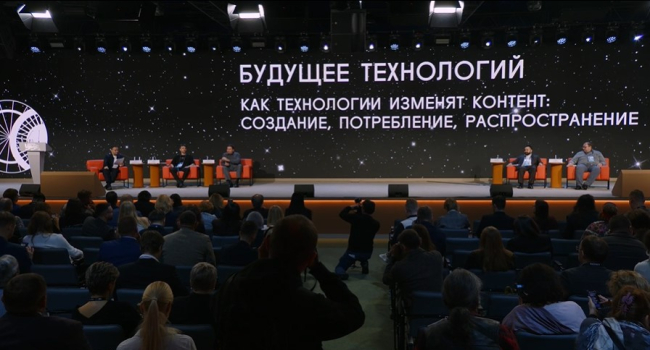
How will technology change media content? Panel discussion at Creating the Future symposium
How has technology already changed the information field and the way content is produced and delivered, and how will it change in the future? factors determining the media of the future. These and a number of other topics were discussed in the "How Technologies Will Change The Content: Creation, Consumption, Distribution" panel discussion organized within the framework of the "Creating the Future" symposium held in Moscow on November 4-6.
First Channel General Director Konstantin Ernst and ReFace Technology co-founder, AKAR Vice President Alexey Parfun first showed several examples of how AI is used in creating videos and then also music. Commenting on the use of AI tools in the media, Konstantin Ernst said that it is not necessary to interfere too much and limit the development of AI. However, according to him, because content is perhaps one of the most important things today, AI, with all its advantages, also contains dangers and can be used for nefarious purposes.
"I think this is one of the important issues, because if we don't limit some of the vectors of progress, we might end up with something that we as humanity can't handle," he said, adding that at some point we have to to stop because after a while it can get out of control.
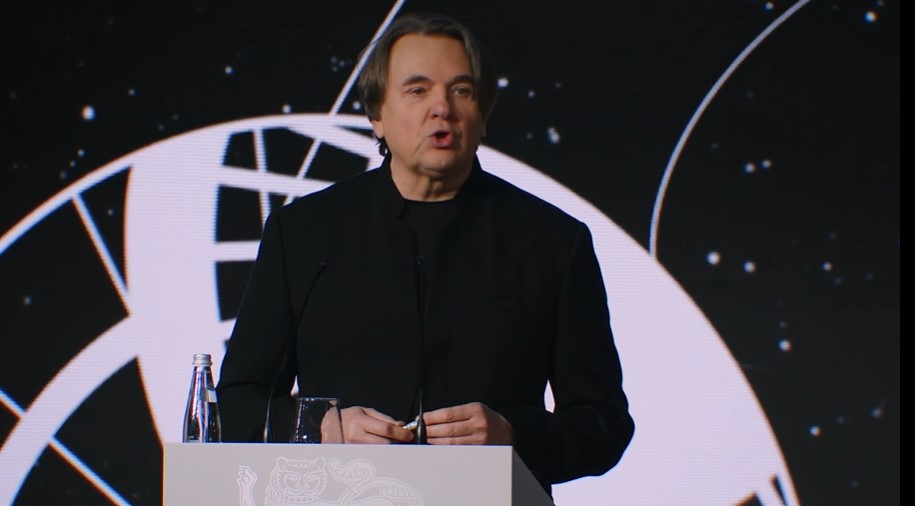
“People sometimes ask if AI will be smarter than true intelligence. In my opinion, hardly. However, since true intelligence has a set of different, not the best qualities, it will give that opportunity to AI, and how it will end for humanity is difficult to predict, it is better to somehow insure against it," he said, adding, that perhaps AI is the most important weapon of the future.
How will digital content be distributed in the future?
How will digital content be distributed in the future and what role does AI play here? According to Mikhail Sadchenkov, the general director of the "Made in Russia" national brand, the most important trend is, first of all, the complete elimination of communication borders through AI technologies, which allow content to be translated into different languages and distributed throughout the world. According to him, it will be a strong incentive for the media, because the demand for these language products in the multipolar world will be high in the near future.
The second trend, according to him, is the decentralization of content production, because today's technologies allow editors or other specialists to work remotely, including from other countries. Automating the process of estimating the volume of work and payment significantly reduces the costs of keeping the media, unlike the previous practice, when it was necessary to rent an office, gather people in one place, etc.
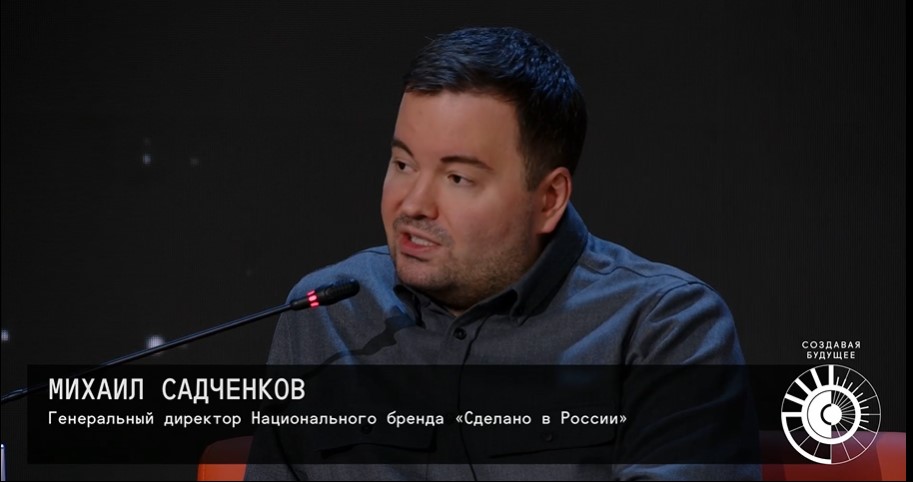
The third trend, according to Mikhail Sadchenkov, is the economic expediency of journalistic activity. If in the past the media had a website, which was considered the main platform on which materials were published, an audience was generated, on the basis of which advertising was sold, now everything has changed, because only having a website is not relevant, now the website is a platform that complements each other. to the pages of the given media on various social platforms.
"Technology is the most important tool to achieve cost optimization of content creation. By learning these tools and cutting those costs, you can get a lot done with very little money. Specifically, the cost of the content we have is significantly lower than the market due to the use of these technologies," he said, noting that today it is even more important for the media to have professional journalists in the field.
How does AI affect information dissemination?
Khaldun Abdullah Mahmoud, adviser to the Iraqi president on media and communication technologies, sees a number of problems in how the AI affects the dissemination of information. According to him, there are already many cases when fake video content created by AI has been spread on the Internet, moreover, fantastically fast. According to him, if it is a humorous, innocent video, then there seems to be no big problem here. However, serious problems can arise if, for example, the president or prime minister of a country speaks in those videos and carries important messages.
"We all use AI technology in different fields, it helps people a lot, but at the same time, I think it's a serious challenge for the whole world in terms of how we can control the possibilities that AI has," he said.
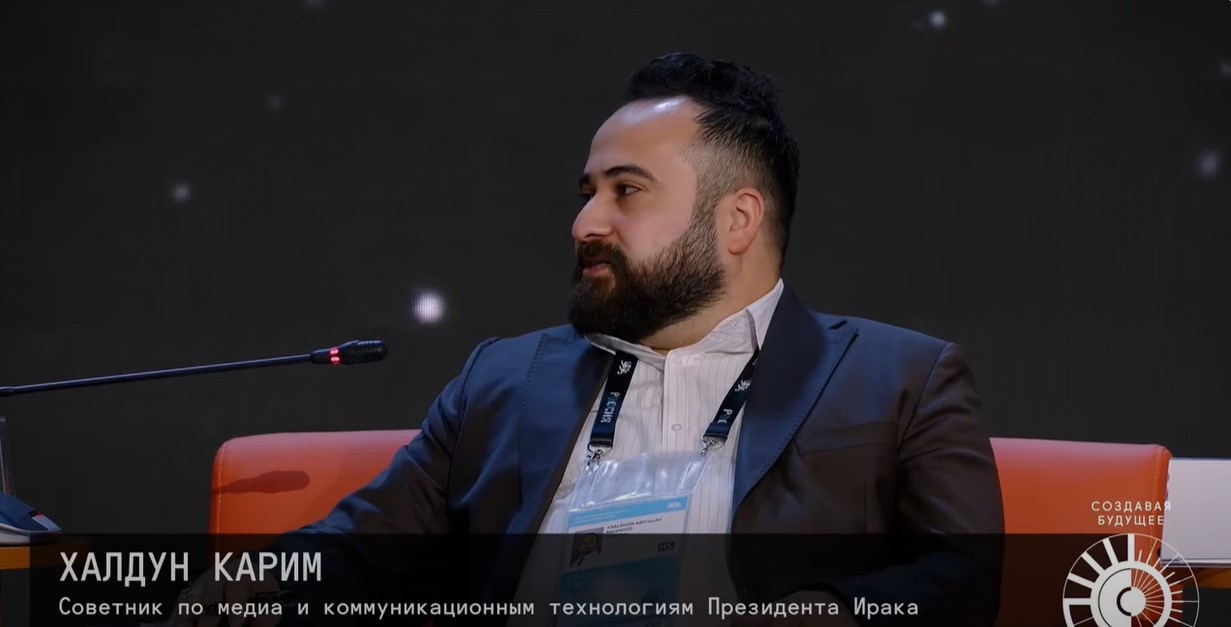
According to Khaldun Abdullah Mahmud, even today fake news created by AI is causing a big blow, because many people consume this fake information without even understanding it. As a result, there is confusion about what is real and what is fake, and there is a lot of work to be done here.
How does AI affect business?
Arman Yakhin, the founder and executive director of Main Road Post, which deals in computer graphics, says that the creative process is quite costly, laborious, and slow. Previously, the artist had to draw the scene by hand, and if it was successful, he could move on to the next stage, and if not, he had to draw again and so on.
However, today neural networks come to the rescue, which help a lot in this matter and speed up the processes that used to require much more effort and time. The company today uses different neural networks for different tasks.
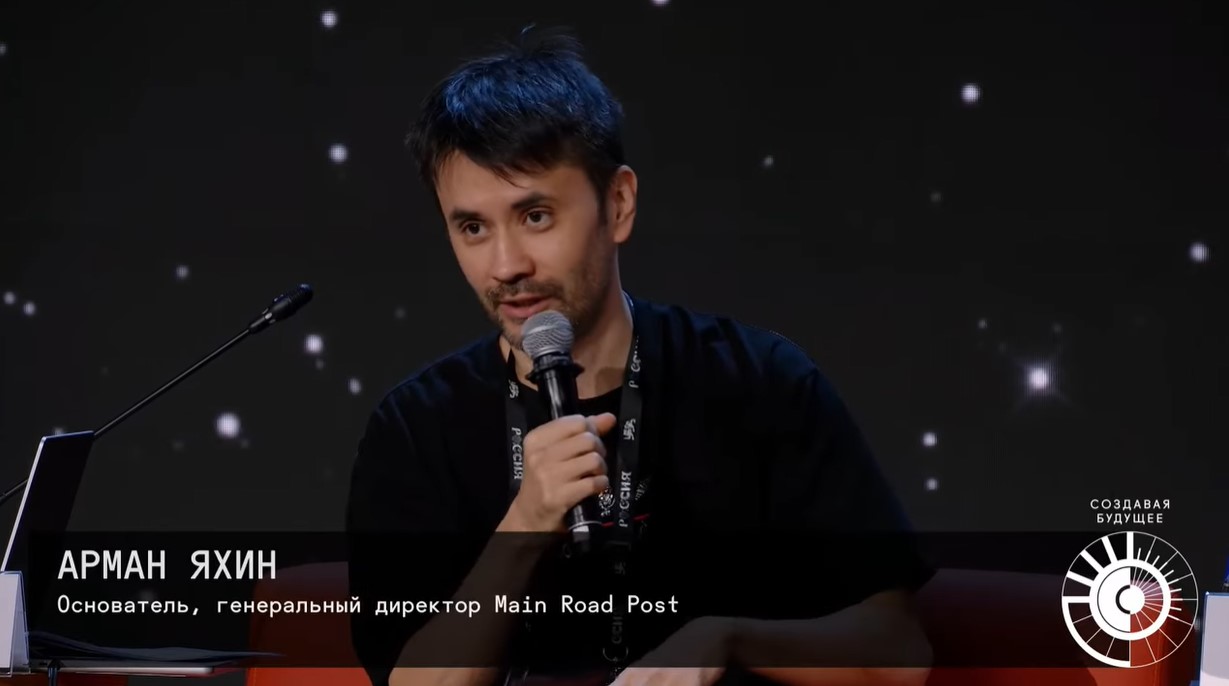
"In the case of simple tasks, the neural network greatly speeds up the process of obtaining results, and in the case of complex ones, it generally increases the quality, because we have more opportunities to try and get a better result in the time allotted to us," he said.
According to him, today many people think that the neural network is a substitute for something, while this is not the case, the process just changes a little and the result becomes better and more affordable.
What does the future hold?
Science fiction writer, computer game developer Anton Karelin says that creating content with AI is not a trend for a long time, but is already a present reality. In the field of graphics, neural networks have passed a path, when at first they created primitive products, now they are already producing products close to the professional.
According to Anton Karelin, if today many AI tools are used only by studios and developers, then their mass use will soon begin, as they will gradually become available to people. This, according to him, will open a completely new era of content consumption, as people will begin to adapt it to their needs.
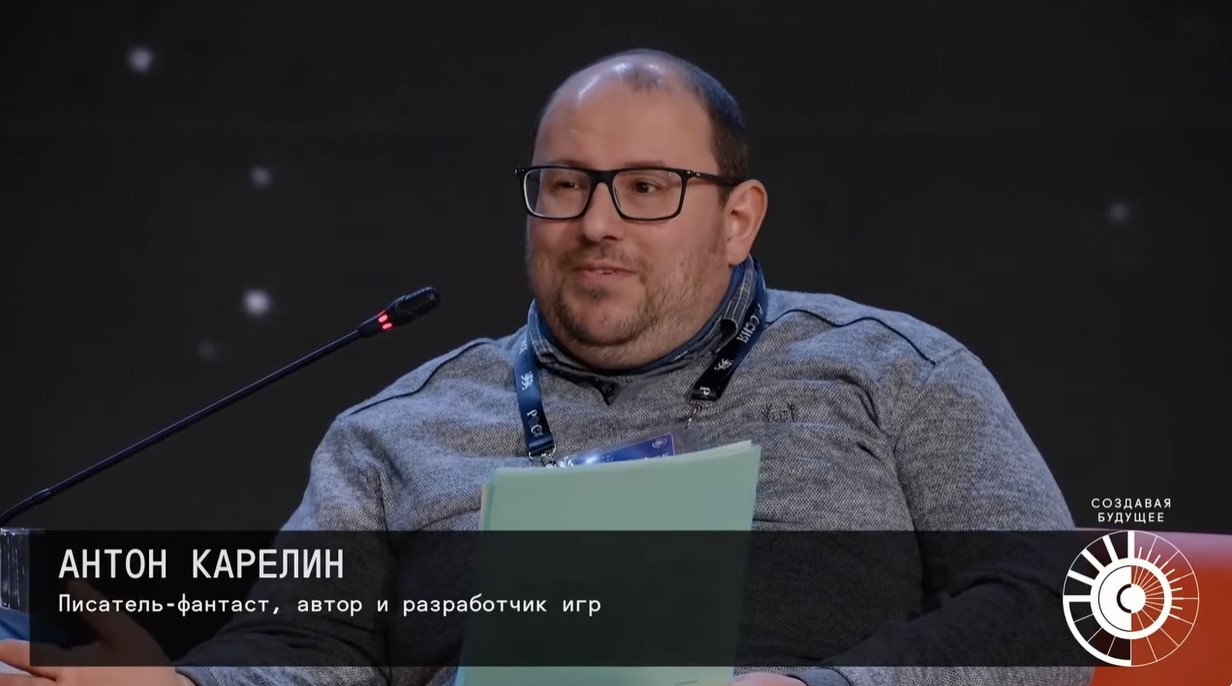
According to him, if today there are already videos on the Internet in which the actors of famous films are replaced by another actor using neural networks, then there will also be cases when they will start changing their texts as well. Thanks to neural networks, different versions of the same film will be released for different countries and cultures, because this is what business interests require.
"Of course, there will be risks of negative trends as well, because the owners of neural networks can and will use the individualization of cultures to push their agenda to each individual with an individual approach," he said, adding that in this sense it is important to be independent neural networks. to whom we will not dictate the agenda of this or that force.
According to Anton Karelin, when neural networks reach such a level of development that instead of today's short videos, they will be able to create long and complete videos that can be used in streaming services, then the era of "individual generative culture" will begin. For example, media corporations will have huge data bases, and neural networks will allow their subscribers to prepare a personal series for them, a doctor will be able to prepare a personal series for his patient, which will help the patient pass the given difficult stage of the disease, etc.
It should be noted that NEWS.am is the information sponsor of the "Creating the Future" symposium.
- Related News
- 50,000 subscriptions and AI for schools: How Armenia plans to use artificial intelligence in education
- How to work with neural networks properly: 5 rules that actually help
- Why Bill Gates is no longer an AI optimist: Three major threats of AI
- Firebird AI Joins UATE as a Strategic Member
- Neural networks can't read minds: 4 key rules for working effectively with AI
- OpenAI prepares to go public in 2027
- Tech Jobs
- Most read
month
week
day
- The anniversary iPhone 20 will be as thin as the Air: what the insider revealed 588
- From Excel to AI: A startup by specialists who relocated from Iran to Armenia helps businesses make sense of their data 576
- How NASA's primary training centre is changing in the era of commercial space stations 572
- Robot knocks out teeth of five year old girl: Incident at Chinese museum leads to lengthy compensation dispute 525
- Why Bill Gates is no longer an AI optimist: Three major threats of AI 514
- How to make your new smartphone more secure: expert tips 471
- Top flagships of August 2026: Experts name the five best smartphones 457
- 10,000 tiny probes to Saturn's rings and robots in lunar caves: NASA funds 18 visionary ideas 455
- "Dark photons" back in play: scientists revise constraints on dark matter 447
- Martian crater from The Martian captured in new detailed video 437
- Archive